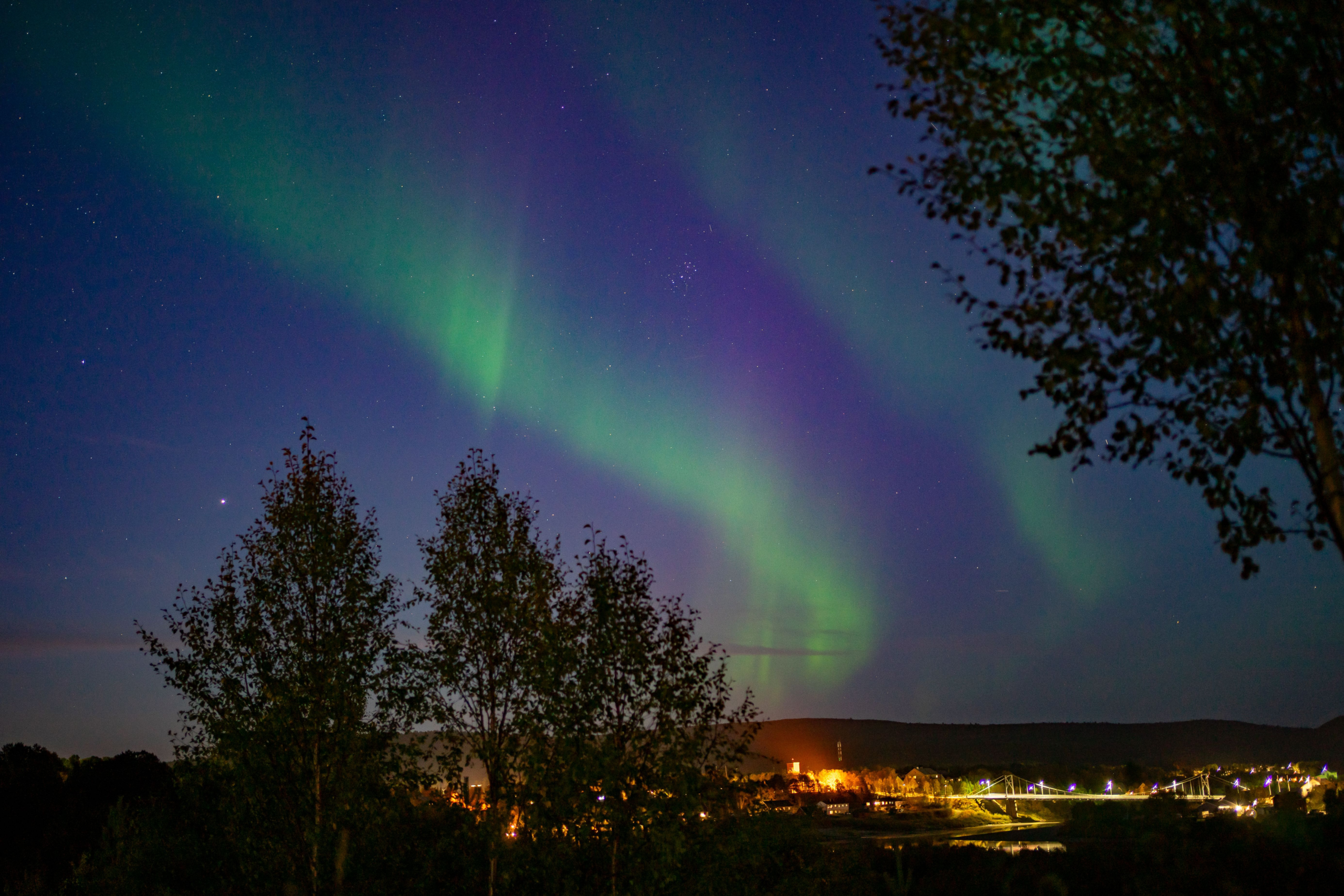
Whitehorse doesn’t make most people’s Canada travel shortlist. It probably should. The capital of the Yukon sits in the heart of one of the most dramatic, least-visited landscapes in North America — boreal forest, mountain ranges, the Yukon River, and skies that, for a few months each year, put on one of the most spectacular natural light shows on the planet.
It’s a small city by Canadian standards (around 30,000 people), which means it’s easy to navigate, genuinely walkable in the downtown core, and the kind of place where locals will actually talk to you about what’s worth doing. Here’s what not to miss.
Why Visit Whitehorse, Yukon?
Whitehorse is the capital of Yukon and the largest city in Canada’s north. Surrounded by mountains, forests, and the Yukon River, it serves as the gateway to some of Canada’s most spectacular wilderness adventures. Visitors come to Whitehorse to experience the Northern Lights, Yukon wildlife, historic sites, hot springs, hiking trails, Indigenous culture, and unforgettable road trips along the Alaska Highway.
Whether you’re planning a winter aurora vacation or a summer outdoor adventure, Whitehorse offers activities throughout the year.
What Is Whitehorse Known For?
Whitehorse is famous for:
- Northern Lights viewing
- Yukon River
- S.S. Klondike National Historic Site
- Miles Canyon
- Takhini Hot Springs
- Klondike Gold Rush history
- Midnight sun
- Dog sledding
- Wildlife viewing
- Gateway to Kluane National Park
It is also the starting point for many travellers exploring northern Canada and Alaska.
Best Things to Do in Whitehorse
Create a table before detailed sections.
| Attraction | Best For | Time |
|---|---|---|
| S.S. Klondike | History | 1 hour |
| Miles Canyon | Hiking | 2 hours |
| Yukon Wildlife Preserve | Families | Half Day |
| Takhini Hot Springs | Relaxation | Half Day |
| MacBride Museum | History | 2 hours |
| Fish Ladder | Families | 30 min |
| Yukon River | Walking | 1 hour |
| Kluane National Park | Day Trip | Full Day |
Best Attractions and Things to Do in Whitehorse
Whitehorse offers an appealing mix of northern history, outdoor scenery, wildlife experiences and family-friendly museums. The following attractions can be visited individually or combined into a two- or three-day Whitehorse itinerary.
S.S. Klondike National Historic Site
What It Is
The S.S. Klondike National Historic Site features one of Canada’s few remaining steam-powered sternwheelers. The restored vessel is displayed beside the Yukon River near downtown Whitehorse and helps visitors understand how people and supplies once moved through the territory.
The site includes the historic ship, outdoor interpretive information and riverside surroundings that can be explored as part of a Whitehorse sightseeing itinerary.
Why It Matters
Before modern highways connected Yukon communities, riverboats were essential to northern transportation. Sternwheelers carried passengers, food, equipment, mail and mineral concentrates between settlements along the Yukon River system.
The S.S. Klondike represents an important period in Yukon transportation history and illustrates how closely the territory’s communities were connected to its rivers.
The site also provides an opportunity to recognize that Indigenous peoples travelled Yukon waterways long before the arrival of steam-powered riverboats.
History
The original Klondike I was built in Whitehorse and launched in 1929. After it was damaged in 1936, a second vessel—the Klondike II—was built using many of the original ship’s materials and design features.
The S.S. Klondike later operated as a passenger liner before being retired in 1955. It was moved to its current location, designated a National Historic Site in 1967 and restored as an important Whitehorse landmark.
Best Time to Visit
Summer is generally the best time to visit because seasonal interpretive services and access may be more extensive. The ship’s riverside setting can still be appreciated during other seasons, but visitors should check the current Parks Canada schedule before travelling.
Nearby Attractions
Combine the S.S. Klondike with:
- Millennium Trail
- Yukon River waterfront
- Rotary Peace Park
- Downtown Whitehorse
- MacBride Museum
- Whitehorse Rapids Fishway
Time Needed
Allow approximately one to two hours. Spend additional time walking beside the Yukon River or following part of the Millennium Trail.
Family Suitability
The attraction is suitable for families, especially children interested in ships, transportation or Canadian history. Younger children should be supervised around stairs, decks and historic structures.
Miles Canyon
What It Is
Miles Canyon is a dramatic natural attraction located a short drive from downtown Whitehorse. The Yukon River passes between steep basalt cliffs, creating striking views of fast-moving turquoise water.
Visitors can admire the canyon from the suspension bridge, follow nearby hiking trails or continue toward the historic Canyon City area.
Why It Matters
Miles Canyon is one of the most beautiful and recognizable natural attractions near Whitehorse. It introduces visitors to the region’s volcanic geology while providing accessible opportunities for hiking, photography and sightseeing.
The canyon also played a major role during the Klondike Gold Rush. Its powerful currents once presented a serious challenge to prospectors travelling toward the goldfields.
History and Geology
The canyon’s cliffs were formed from basaltic lava that spread across the landscape millions of years ago. Over time, the Yukon River cut through the rock, helping create the narrow canyon visible today.
During the Klondike Gold Rush, travellers carrying supplies had to navigate or avoid the dangerous canyon and nearby rapids. Canyon City developed as a transportation point where goods could be moved around the hazardous water.
Best Time to Visit
Late spring through early fall offers the most comfortable conditions for hiking and viewing the canyon. Summer provides long daylight hours, while early fall can bring attractive colours and fewer visitors.
Winter visits are possible, but snow and ice can make trails and viewpoints slippery.
Nearby Attractions
Nearby places include:
- Canyon City trail
- Chadburn Lake Recreation Area
- Schwatka Lake
- Millennium Trail
- Whitehorse Rapids Fishway
- Grey Mountain trails
Time Needed
Allow one to three hours for the bridge and nearby trails. A longer hike toward Canyon City can turn the visit into a half-day outing.
Family Suitability
Miles Canyon can be a good family attraction, but adults must supervise children closely near cliffs, the bridge and fast-moving water. Families with younger children may prefer the shorter viewpoint experience rather than a long trail.
Yukon Wildlife Preserve
What It Is
The Yukon Wildlife Preserve is a large wildlife-viewing facility located outside Whitehorse. It is home to more than a dozen northern species living in spacious natural environments across approximately 350 acres.
Depending on animal visibility, visitors may see species such as bison, elk, moose, caribou, mountain goats, muskoxen, lynx, foxes and thinhorn sheep.
Guests can explore the preserve by walking its approximately five-kilometre loop or joining a scheduled guided bus tour.
Why It Matters
The preserve gives visitors a chance to learn about Yukon wildlife in settings that resemble the animals’ natural habitats. It also supports education, research, rehabilitation and public understanding of northern ecosystems.
For travellers who may not see wildlife safely in the wild, the preserve provides a more reliable and responsible viewing experience.
History
The preserve developed from land that had previously been used for wildlife research and game farming. It has since evolved into a nonprofit organization focused on conservation, education and the care of northern animals.
Its large landscapes distinguish it from a conventional urban zoo and allow visitors to observe wildlife within a distinctly Yukon environment.
Best Time to Visit
The preserve is open throughout the year, and each season provides a different experience.
Summer offers comfortable walking weather and long daylight hours. Fall brings colourful scenery. Winter allows visitors to see animals adapted to northern conditions while walking, skiing or using other approved non-motorized equipment.
Nearby Attractions
Combine the preserve with:
- Eclipse Nordic Hot Springs
- Bean North Coffee Roasting
- Takhini River area
- Local dog-sledding operators
- Northern Lights tours during winter
Time Needed
Allow approximately two to four hours. The guided bus tour lasts about 90 minutes, while walking the complete loop usually requires more time.
Family Suitability
The Yukon Wildlife Preserve is an excellent family attraction. Children can see northern animals while learning about habitats, adaptation and conservation.
Families should prepare for changing weather and bring water, snacks, suitable footwear and seasonal clothing. Personal vehicles are not permitted along the visitor loop.
MacBride Museum of Yukon History
What It Is
The MacBride Museum is a downtown Whitehorse museum dedicated to preserving and sharing Yukon’s history. Its exhibits cover Indigenous culture, the Klondike Gold Rush, northern wildlife, transportation, community development and the people who shaped the territory.
The museum’s location near the Yukon River makes it easy to include in a downtown walking itinerary.
Why It Matters
MacBride Museum provides essential context for understanding Whitehorse and the wider Yukon. Rather than viewing Whitehorse only as a base for outdoor adventures, visitors can learn about the territory’s Indigenous histories, mineral exploration, transportation networks and cultural development.
The museum preserves objects, photographs, documents and personal stories that might otherwise be lost.
History
The museum began in 1950 and has grown into an important archive, learning centre and community institution. Its collections document many aspects of life across Yukon, from Indigenous heritage and early exploration to modern Whitehorse.
Historic buildings and exhibits contribute to the experience, helping visitors connect physical objects with the stories of northern communities.
Best Time to Visit
The museum is a good year-round attraction. It is especially useful during cold, rainy or smoky weather when outdoor plans may be limited.
Summer generally brings longer operating hours, but visitors should confirm the current schedule before arriving.
Nearby Attractions
Walk from the museum to:
- Yukon River waterfront
- Whitehorse Visitor Information Centre
- Kwanlin Dün Cultural Centre
- Old Log Church Museum
- S.S. Klondike
- Downtown restaurants and shops
Time Needed
Allow approximately one and a half to three hours, depending on your interest in Yukon history and museum exhibits.
Family Suitability
The museum is suitable for families, school-age children and teenagers. Children interested in animals, gold-rush stories or historic objects are likely to find several engaging exhibits.
Parents may wish to guide younger children through the museum and connect the displays with outdoor attractions they will visit later.
Whitehorse Rapids Fishway
What It Is
The Whitehorse Rapids Fishway, commonly called the Whitehorse Fish Ladder, helps migrating fish travel around the Whitehorse hydroelectric dam.
The facility includes viewing areas and interpretive information about Yukon River fish, hydroelectric generation and the remarkable migration of Chinook salmon.
It is often described as the world’s longest wooden fish ladder and is one of the most unusual free or low-cost attractions in Whitehorse.
Why It Matters
Yukon River Chinook salmon complete one of the world’s longest salmon migrations, travelling thousands of kilometres from the Bering Sea to spawning areas in Canada.
The fish ladder helps salmon move past a human-made barrier. It also gives visitors an opportunity to learn about the ecological and cultural importance of salmon to Yukon First Nations and northern communities.
History
The fishway was constructed in connection with the Whitehorse Rapids Generating Station. Over time, it has become both a fish-passage structure and a public education facility.
The site also reflects the complicated relationship between energy infrastructure and river ecosystems. Ongoing monitoring, hatchery work and fish-passage improvements demonstrate the continuing effort required to protect salmon populations.
Best Time to Visit
The best chance of seeing migrating Chinook salmon is generally during July and August, although migration timing and the number of fish vary from year to year.
Visitors should not expect guaranteed salmon sightings. The attraction remains educational even when fish are not visible.
Nearby Attractions
Nearby places include:
- Millennium Trail
- Miles Canyon
- Schwatka Lake
- S.S. Klondike
- Rotary Peace Park
- Chadburn Lake Recreation Area
Time Needed
Allow approximately 30 minutes to one hour. Visitors walking or cycling the Millennium Trail can make the fishway part of a longer outing.
Family Suitability
The fishway is a good family attraction because it combines wildlife, science and environmental education. Children may especially enjoy underwater viewing areas when fish are present.
Parents should supervise children near the river, dam infrastructure and outdoor pathways.
Yukon Beringia Interpretive Centre
What It Is
The Yukon Beringia Interpretive Centre is a museum focused on Beringia, the vast Ice Age region that once connected parts of present-day Yukon, Alaska and Siberia.
The centre features fossils, reconstructed animals, archaeological material, interactive displays and information about Ice Age environments and the people and animals that lived there.
Visitors may encounter exhibits about woolly mammoths, giant beavers, scimitar cats, steppe bison and ancient horses.
Why It Matters
Beringia played an important role in the natural and human history of North America. Because much of the region remained relatively dry during the Ice Age, large areas were not covered by glaciers.
This preserved evidence of ancient plants, animals and human activity. Yukon continues to be an important location for Ice Age discoveries, making the centre especially relevant to the territory.
History
The Yukon Beringia Interpretive Centre is owned and operated by the Government of Yukon. It is the only museum in Canada focused specifically on the last great Ice Age and the Beringian landscape.
Its exhibitions connect fossil discoveries with current scientific research and Indigenous knowledge.
Best Time to Visit
The centre is a year-round indoor attraction and is particularly valuable during winter, rain or other poor weather.
Families travelling during summer can also use it as an educational stop between outdoor adventures.
Nearby Attractions
Combine the centre with:
- Yukon Transportation Museum
- Erik Nielsen Whitehorse International Airport
- Downtown Whitehorse
- Copperbelt Railway and Mining Museum
- Miles Canyon
- Local aviation and transportation displays
Time Needed
Allow approximately one and a half to two hours. Visitors with a strong interest in archaeology, fossils or natural history may stay longer.
Family Suitability
The centre is highly suitable for families. Large animal reconstructions, fossils and interactive exhibits can make Ice Age history accessible to children.
It is a particularly good choice for school-age children interested in mammoths, extinct animals, science or archaeology.
Eclipse Nordic Hot Springs
What It Is
Eclipse Nordic Hot Springs is a modern wellness facility located on Takhini Hot Springs Road outside Whitehorse. The property occupies the historic hot-springs area previously associated with Takhini Hot Springs.
The facility combines natural mineral hot-spring pools with Nordic and Japanese-inspired wellness experiences. Amenities may include hot pools, saunas, steam rooms, relaxation areas, hydrotherapy features and a barefoot walking path.
Eclipse Nordic Hot Springs is an adults-only attraction for guests aged 19 and older.
Why It Matters
The hot springs provide one of the most relaxing Whitehorse activities after hiking, skiing, sightseeing or winter travel. The combination of warm mineral water and northern scenery creates an experience that feels distinctly connected to Yukon’s climate and landscape.
It is also Yukon’s primary developed natural hot-springs experience.
History
Natural hot springs have attracted visitors to the Takhini area for many years. The former Takhini Hot Pools became well known for outdoor soaking and its winter hair-freezing competition.
The older facility was replaced by Eclipse Nordic Hot Springs, which introduced a more extensive spa and hydrotherapy experience while continuing to use naturally heated mineral water.
Best Time to Visit
The hot springs can be enjoyed throughout the year.
Winter is especially atmospheric because visitors can soak outdoors in warm water while surrounded by snow and cold northern air. Summer offers long daylight hours and an opportunity to relax after hiking or visiting the nearby wildlife preserve.
Advance reservations are recommended, particularly on weekends and during peak travel periods.
Nearby Attractions
Combine the hot springs with:
- Yukon Wildlife Preserve
- Bean North Coffee Roasting
- Takhini River area
- Dog-sledding experiences
- Northern Lights tours
- Local accommodations along Takhini Hot Springs Road
Time Needed
Plan for approximately three hours to enjoy the pools, saunas and relaxation areas without rushing.
Family Suitability
Eclipse Nordic Hot Springs is not suitable for families travelling with children or teenagers under 19 because the facility is adults-only.
It is best suited to couples, solo adult travellers, wellness visitors and groups of adults seeking a peaceful experience. Families can visit the nearby Yukon Wildlife Preserve and choose another family-friendly activity afterward.
Whitehorse Activities for Every Season
One of the best reasons to visit Whitehorse is that every season offers a completely different experience. Summer brings nearly endless daylight for outdoor adventures, fall transforms the Yukon into a colourful landscape with excellent wildlife viewing, winter offers world-famous Northern Lights and snow activities, while spring signals the return of hiking trails, migrating birds, and longer days.
No matter when you visit, Whitehorse has activities for families, couples, solo travellers, photographers, and outdoor enthusiasts.
Summer Activities in Whitehorse
Summer is the busiest travel season in Whitehorse, with long daylight hours that often stretch well into the evening. Temperatures are comfortable, making it the perfect time to explore Yukon’s rivers, mountains, trails, and wildlife.
Hiking
Whitehorse is surrounded by hundreds of kilometres of hiking trails suitable for every experience level.
Popular hiking areas include:
- Grey Mountain
- Miles Canyon Trail
- Yukon River Trail
- Fish Lake Road trails
- Mount McIntyre Recreation Area
- Long Lake
- Chadburn Lake Recreation Area
Many trails offer panoramic mountain views, alpine lakes, forest scenery, and opportunities to spot wildlife. Whether you’re looking for a short one-hour walk or a full-day adventure, Whitehorse has hiking options for every visitor.
Best for: Nature lovers, photographers, active travellers
Time needed: 2–6 hours
Canoeing the Yukon River
Few Canadian experiences are as memorable as paddling the legendary Yukon River.
Guided canoe trips and self-guided rentals allow visitors to experience the same river that Indigenous peoples and Klondike Gold Rush prospectors once travelled.
Popular canoe routes range from relaxing half-day paddles near Whitehorse to multi-day wilderness expeditions.
The calm stretches near Whitehorse are particularly suitable for beginners, while experienced paddlers can explore more remote sections of the Yukon River system.
Best for: Adventure travellers, couples, photographers
Best time: June to August
Fishing
The Yukon is famous for its pristine lakes and rivers filled with fish.
Popular catches include:
- Lake trout
- Arctic grayling
- Northern pike
- Rainbow trout
Visitors can fish from shore, rent boats, or join guided fishing charters.
Fishing regulations vary by location and season, so licences and current regulations should always be checked before casting a line.
Best for: Families, anglers, outdoor enthusiasts
Wildlife Tours
Whitehorse offers excellent opportunities to see northern wildlife.
Visitors may encounter:
- Moose
- Dall sheep
- Black bears
- Grizzly bears
- Caribou
- Elk
- Foxes
- Eagles
Guided wildlife tours improve the chances of safely spotting animals while learning about Yukon ecosystems.
The Yukon Wildlife Preserve is another excellent option for guaranteed wildlife viewing.
Best for: Families, photographers, nature lovers
Yukon River Walks
The Yukon River flows directly through Whitehorse and is one of the city’s defining natural features.
Walking beside the river offers beautiful scenery throughout the day.
Popular walking routes include:
- Millennium Trail
- Rotary Peace Park
- Riverfront pathways
- S.S. Klondike area
- Waterfront viewpoints
Visitors can enjoy mountain views, historic landmarks, public art, and local wildlife while exploring the riverfront.
Early mornings and evenings provide especially beautiful lighting for photography.
Fall Activities in Whitehorse
Autumn is one of the Yukon’s hidden gems.
Crowds decrease while forests transform into spectacular shades of yellow and gold.
Temperatures remain comfortable for hiking and sightseeing.
Fall Colours
Unlike southern Canada’s red maple forests, Yukon landscapes glow with brilliant golden aspens and birch trees.
Popular locations include:
- Miles Canyon
- Fish Lake Road
- Grey Mountain
- Yukon River
- Chadburn Lake
Fall colours usually peak between late August and September depending on weather conditions.
Photography
Photographers love Whitehorse during autumn because of:
- Golden forests
- Snow-capped mountains
- Calm lakes
- Reflection photography
- Dramatic sunsets
The softer autumn light creates ideal conditions for landscape photography.
Aurora Season Begins
As nights become darker in late August, the Northern Lights begin returning to Yukon skies.
Visitors travelling during September may enjoy both colourful autumn landscapes and early Aurora displays during the same trip.
Winter Activities in Whitehorse
Winter transforms Whitehorse into one of Canada’s best adventure destinations.
Snow-covered forests, frozen lakes, and dark northern skies create unforgettable experiences.
Dog Sledding
Dog sledding is one of the Yukon’s signature winter activities.
Visitors can ride through snowy forests while learning about the history of transportation in northern Canada.
Several local operators offer:
- Beginner tours
- Half-day adventures
- Multi-day expeditions
- Meet-the-dogs experiences
This is one of the most authentic Yukon adventures available.
Snowmobiling
Snowmobiling allows visitors to explore remote winter landscapes that would otherwise be difficult to reach.
Guided tours travel across:
- Frozen lakes
- Forest trails
- Mountain viewpoints
Most operators provide equipment, helmets, and instruction for beginners.
Northern Lights
Whitehorse is internationally recognized as one of Canada’s best places to see the Aurora Borealis.
The city benefits from:
- Very low light pollution
- Long winter nights
- Dry northern climate
- Easy access to dark-sky viewing locations
Guided Aurora tours often include heated cabins, photography assistance, warm drinks, and transportation outside the city.
Prime viewing season generally runs from late August through early April.
Ice Fishing
Frozen lakes around Whitehorse become popular ice fishing destinations during winter.
Visitors can catch:
- Lake trout
- Northern pike
- Arctic grayling
Guided experiences provide equipment, heated shelters, and local knowledge.
Even beginners can enjoy the experience.
Snowshoeing
Snowshoeing is one of the easiest ways to experience Yukon wilderness during winter.
Popular areas include:
- Miles Canyon
- Mount McIntyre
- Fish Lake
- Chadburn Lake
- Yukon Wildlife Preserve
Many trails are suitable for beginners.
Spring Activities in Whitehorse
Spring brings longer daylight hours and the return of wildlife after winter.
Although higher elevations may still have snow, lower trails gradually become accessible.
Wildlife Viewing
Spring is an excellent time to spot wildlife as animals become more active after winter.
Visitors may see:
- Moose
- Foxes
- Birds
- Waterfowl
- Bald eagles
Morning and evening remain the best times for wildlife viewing.
River Walks
As snow melts, the Yukon River comes alive with flowing water and migrating birds.
The Millennium Trail and waterfront parks become popular with walkers and cyclists.
Hiking
Lower elevation trails begin reopening during spring.
Visitors should always check trail conditions because snow may remain in higher areas.
Spring hiking provides quieter experiences compared to busy summer months.
Things to Do in Whitehorse in Winter
Whitehorse offers some of Canada’s most unforgettable winter adventures.
Whether you’re chasing the Aurora Borealis or relaxing in hot springs after a day outdoors, winter is one of the best times to experience the Yukon.
See the Northern Lights
The Aurora Borealis is Whitehorse’s biggest winter attraction.
On clear nights, colourful green, purple, and pink lights dance across the northern sky.
Many visitors book guided Aurora tours that include transportation, heated viewing cabins, photography assistance, and warm refreshments.
The best viewing conditions are:
- Dark skies
- Clear weather
- High solar activity
Patience is important because the lights vary each night.
Experience Dog Sledding
Dog sledding has deep cultural roots in Yukon.
Professional guides introduce visitors to enthusiastic sled dogs before taking them through snowy forests and frozen landscapes.
Many tours also explain the history of dog sledding and its importance to northern communities.
Relax at Eclipse Nordic Hot Springs
Formerly known as Takhini Hot Springs, Eclipse Nordic Hot Springs provides a luxurious outdoor wellness experience.
Visitors can soak in naturally heated mineral water while surrounded by snowy forests and crisp winter air.
The contrast between warm pools and cold temperatures creates one of the Yukon’s most memorable experiences.
Advance reservations are recommended during peak travel periods.
Go Snowshoeing
Snowshoeing allows visitors to experience quiet winter landscapes without needing advanced skills.
Popular beginner-friendly trails include:
- Miles Canyon
- Yukon Wildlife Preserve
- Fish Lake
- Chadburn Lake
Guided tours are also available.
Cross-Country Skiing
Whitehorse maintains numerous groomed ski trails suitable for beginners and experienced skiers.
Popular areas include:
- Mount McIntyre Recreation Area
- Grey Mountain Road
- Yukon Ski Club trails
Equipment rentals are available from local outfitters.
Try Ice Fishing
Ice fishing combines northern culture with outdoor adventure.
Guided tours provide everything needed, including equipment, heated shelters, and fishing instruction.
Even visitors who have never fished before can participate.
Free Things to Do in Whitehorse
Travelling on a budget doesn’t mean missing out on Whitehorse’s best experiences.
Many of the city’s top attractions are completely free.
Walk Along the Yukon River Waterfront
The Yukon River waterfront is perfect for peaceful walks while enjoying views of northern landscapes and historic sites.
Explore Miles Canyon
One of Whitehorse’s most famous natural attractions can be enjoyed free of charge.
Walk across the suspension bridge, admire the turquoise water, and hike nearby trails.
Walk the Millennium Trail
This scenic multi-use pathway follows the Yukon River and connects several major attractions.
Cyclists, runners, and walkers all enjoy the trail.
Visit the Whitehorse Fish Ladder
Watch migrating Chinook salmon (season permitting) while learning about Yukon River ecology.
It is one of the world’s longest wooden fish ladders.
Relax at Rotary Peace Park
Located along the Yukon River, Rotary Peace Park is an ideal place for picnics, photography, and relaxing after exploring downtown.
Discover Downtown Murals
Walking through downtown Whitehorse reveals colourful murals celebrating Yukon history, Indigenous culture, wildlife, and northern life.
Many visitors enjoy creating their own self-guided mural walk while exploring local cafés and shops.
Stop by the Whitehorse Visitor Information Centre
Even if you already have an itinerary, the Visitor Information Centre is worth visiting for local maps, travel advice, Indigenous tourism information, brochures, and current event listings.
Friendly staff can recommend seasonal activities, hiking trails, scenic drives, and hidden gems throughout the Yukon.
Whether you’re visiting during the endless daylight of summer or the magical Northern Lights season, Whitehorse offers unforgettable experiences throughout the year. From hiking mountain trails and paddling the Yukon River to soaking in hot springs and watching the Aurora dance across the sky, every season reveals a different side of Canada’s northern capital.