Toronto is one of the most neighbourhood-defined cities in Canada. Unlike cities where the downtown core is everything, Toronto is really a collection of distinct districts — each with its own character, food scene, and feel. Knowing which neighbourhoods to spend time in, and what you’re actually looking for in each, makes the difference between a good Toronto visit and a great one.
Toronto Neighbourhoods at a Glance
Before diving into each neighbourhood, here’s a quick comparison to help visitors choose the right area.
| Neighbourhood | Best For | Time Needed |
|---|---|---|
| Distillery District | History | 2–3 hrs |
| Kensington Market | Food & Vintage Shopping | Half Day |
| Yorkville | Luxury Shopping | Half Day |
| Entertainment District | Nightlife | Evening |
| Harbourfront | Families | Half Day |
| Queen West | Street Art | Half Day |
| Chinatown | Budget Food | 2 hrs |
| Little Italy | Dining | Evening |
| The Beaches | Relaxation | Half Day |
| Leslieville | Cafés | Half Day |
| Roncesvalles | European Charm | Half Day |
| Cabbagetown | Victorian Homes | 2 hrs |
How Toronto Is Divided
Many first-time visitors wonder how Toronto is organized.
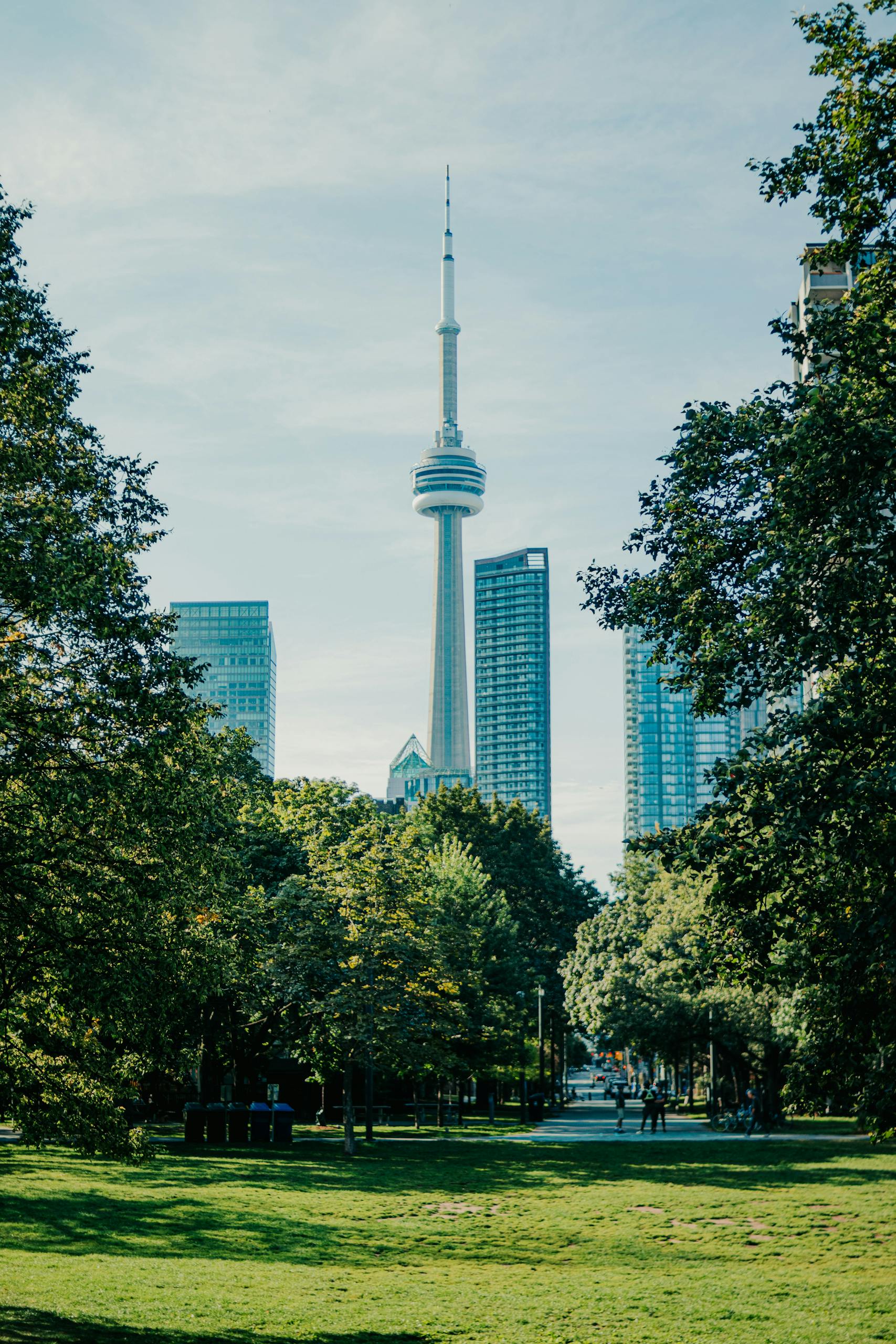
Toronto is divided into several major districts, each offering its own personality, attractions, restaurants, and experiences. While Downtown Toronto contains many famous landmarks such as the CN Tower and Ripley’s Aquarium, the city’s surrounding neighbourhoods showcase Toronto’s multicultural identity.
Broadly speaking, Toronto includes:
- Downtown Toronto
- Midtown Toronto
- North York
- East York
- Scarborough
- Etobicoke
Within these larger districts are dozens of unique neighbourhoods worth exploring.
Best Areas of Toronto for First-Time Visitors
If you’re visiting Toronto for the first time, these neighbourhoods offer the best introduction to the city.
Entertainment District
Perfect for visitors wanting:
- CN Tower
- Rogers Centre
- Ripley’s Aquarium
- Restaurants
- Nightlife
Distillery District
Ideal for:
- History
- Photography
- Couples
- Christmas Market
Harbourfront
Best for:
- Lake Ontario
- Walking
- Families
- Summer festivals
Kensington Market
Perfect for:
- Food lovers
- Vintage shopping
- Local culture
Yorkville
Best for:
- Luxury shopping
- Fine dining
- Boutique hotels
Cool Neighbourhoods in Toronto
Many travellers search specifically for the coolest neighbourhoods.
Queen West
One of the world’s coolest streets according to several travel publications.
Highlights:
- Independent boutiques
- Murals
- Music venues
- Coffee shops
Leslieville
Known for:
- Brunch
- Bakeries
- Small businesses
- Relaxed atmosphere
Roncesvalles Village
Offers:
- European cafés
- Local bakeries
- Family-friendly parks
Ossington Avenue
One of Toronto’s hottest food streets featuring:
- Cocktail bars
- Chef-driven restaurants
- Breweries
Kensington Market
Kensington Market is one of Toronto’s most vibrant and multicultural neighbourhoods. Visitors can explore independent bookstores, vintage clothing shops, international grocery stores, cafés, bakeries, murals, and local restaurants representing cuisines from around the world.
Best For
- Walking
- Photography
- Food
- Vintage shopping
Don’t Miss
- Augusta Avenue
- Baldwin Street
- Pedestrian Sundays
- Local cafés
Nearby Attractions
- Chinatown
- Graffiti Alley
- University of Toronto
Time Needed
2–4 hours
The Beaches
Perfect for:
- Boardwalk
- Beaches
- Families
- Sunrise
Greektown
Known for:
- Danforth restaurants
- Taste of the Danforth
- Mediterranean food
Little Portugal
Great cafés
Street art
Local bakeries
St. Lawrence
Historic market
Flatiron Building
Restaurants
Liberty Village
Modern condos
Coffee shops
Young professionals
Chinatown
One of North America’s largest Chinatowns.
Best for:
- Dim Sum
- Bubble Tea
- Asian groceries
Bloor-Yorkville
Luxury shopping
Designer brands
Museums nearby
Toronto Neighbourhoods by Interest
Best Toronto Neighbourhoods for Food
- Kensington Market
- Chinatown
- Little Italy
- Greektown
- Ossington
Best Neighbourhoods for Shopping
- Yorkville
- Queen West
- Eaton Centre Area
Best Neighbourhoods for Families
- Harbourfront
- The Beaches
- High Park
- Leslieville
Best Neighbourhoods for Nightlife
- Entertainment District
- King West
- Ossington
- Queen West
Best Neighbourhoods for Photography
- Distillery District
- Graffiti Alley
- Harbourfront
- The Beaches
Neighbourhood Comparison Table:
| Neighbourhood | Food | Shopping | Nightlife | Family | Free Attractions |
|---|---|---|---|---|---|
| Kensington | ⭐⭐⭐⭐⭐ | ⭐⭐⭐⭐ | ⭐⭐⭐ | ⭐⭐⭐ | ✅ |
| Yorkville | ⭐⭐⭐⭐ | ⭐⭐⭐⭐⭐ | ⭐⭐⭐⭐ | ⭐⭐ | ❌ |
| Harbourfront | ⭐⭐⭐ | ⭐⭐ | ⭐⭐ | ⭐⭐⭐⭐⭐ | ✅ |
| Queen West | ⭐⭐⭐⭐ | ⭐⭐⭐⭐ | ⭐⭐⭐⭐⭐ | ⭐⭐ | ✅ |
| Distillery | ⭐⭐⭐⭐ | ⭐⭐⭐ | ⭐⭐⭐ | ⭐⭐⭐⭐ | ✅ |
FAQ
What is the best neighbourhood in Toronto?
For first-time visitors, the Entertainment District offers easy access to Toronto’s biggest attractions. For culture and history, visit the Distillery District, while Kensington Market is ideal for food lovers.
What are the coolest neighbourhoods in Toronto?
Queen West, Ossington, Kensington Market, Leslieville, and Roncesvalles are among Toronto’s trendiest neighbourhoods.
How many neighbourhoods are in Toronto?
Toronto has over 140 officially recognized neighbourhoods, each with its own character, history, and attractions.
Which Toronto neighbourhood is best for tourists?
The Entertainment District, Harbourfront, Distillery District, Yorkville, and Kensington Market are among the most popular for visitors.
Which Toronto area should I stay in?
Downtown Toronto is best for sightseeing, while Yorkville suits luxury travellers, and The Beaches offers a quieter waterfront stay.