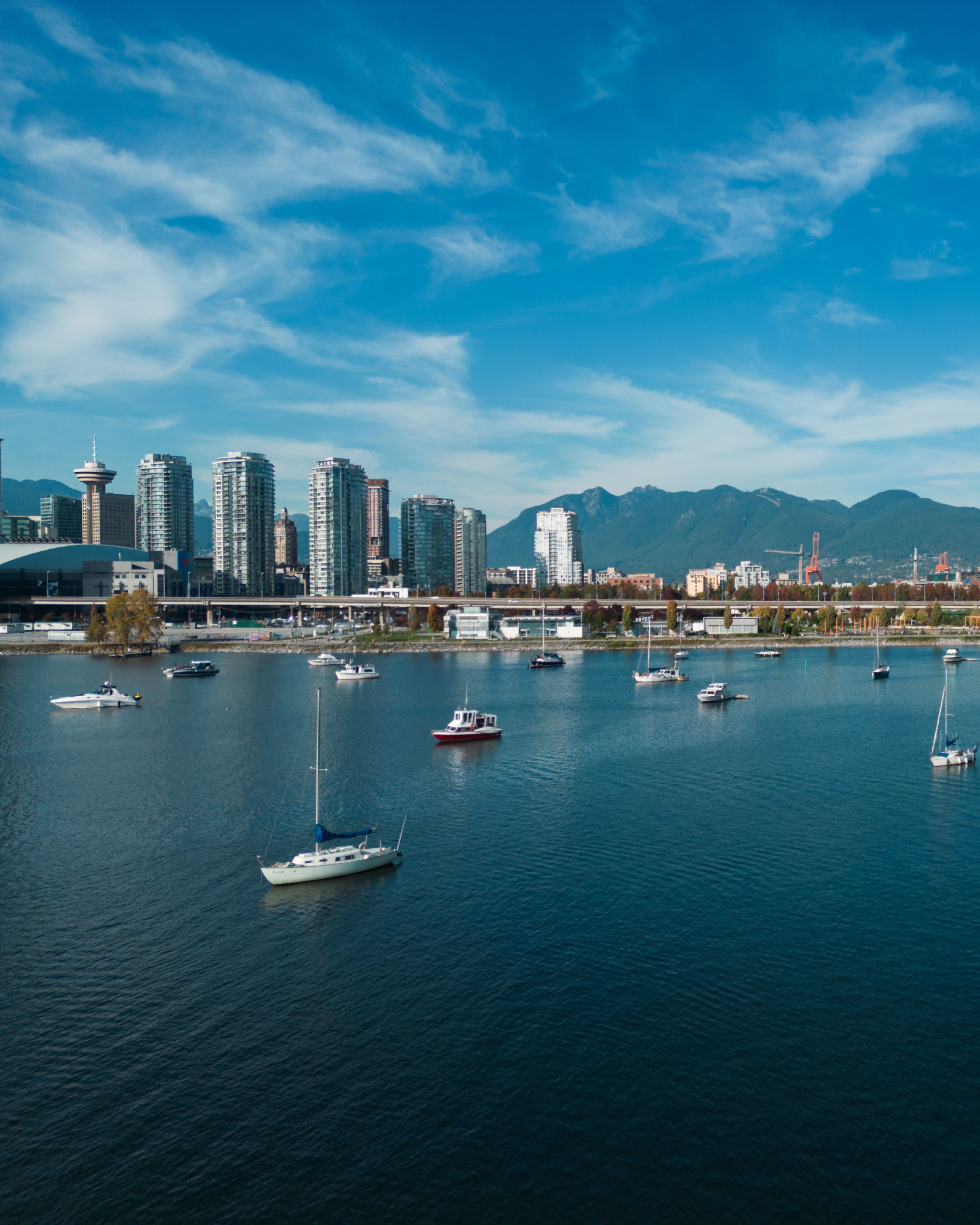
Vancouver is the kind of city that makes you stop mid-sentence. You’re talking about something entirely unrelated and then you look up, and there are mountains — actual snow-capped mountains — rising directly behind the downtown skyline, with the Pacific Ocean sitting in front of it all. It’s genuinely one of the most physically striking cities in the world, and that setting isn’t just a backdrop. It shapes everything about how the city feels and what you do there.
Whether you’re visiting for a weekend or a week, a first-timer or someone returning for the fourth time, Vancouver rewards exploration. Here’s a complete guide to making the most of it.
Why Vancouver Stands Apart
Vancouver is Canada’s third-largest metropolitan area and British Columbia’s undisputed cultural and economic hub. Unlike Toronto, which earns its reputation through sheer urban energy, Vancouver earns it through the improbable combination of world-class city infrastructure with wilderness genuinely at its doorstep. You can ski Grouse Mountain in the morning, eat dim sum in Richmond at noon, and watch the sun set over the Pacific from Kitsilano Beach in the evening. Almost no other city in Canada offers that range.
It’s also, notably, one of the warmest major cities in Canada — mild, rainy winters and pleasant, dry summers make it the most livable large city in the country by most measures, and the most visited BC destination by a wide margin.
Stanley Park: Start Here
Every Vancouver visit should begin at Stanley Park. A 1,000-acre urban rainforest sitting on a peninsula at the edge of downtown, it’s one of the largest urban parks in North America — and unlike most city parks, it’s genuinely wild in places, with towering Douglas firs, hidden trails, beaver ponds, and dramatic ocean views.
The park’s 9-kilometre seawall is Vancouver’s most iconic walk or bike ride, hugging the shoreline with views of the mountains, Lions Gate Bridge, the North Shore, and container ships making their way through Burrard Inlet. Early morning is the best time — the light is soft, the crowds are thin, and the mountains reflect perfectly in the water.
Inside the park, don’t miss the collection of First Nations totem poles at Brockton Point, Prospect Point for the best Lions Gate Bridge views, and Second Beach for a more relaxed swimming spot. The Vancouver Aquarium, also inside the park, is consistently rated one of the top aquariums in North America — worth two to three hours, especially for families.
Tip: Rent a bike from one of several rental shops near the park entrance on Denman Street. The seawall loop takes about 90 minutes at a relaxed pace.
Granville Island: More Than a Market
Granville Island sits under the Granville Bridge on a small peninsula south of downtown, and it’s one of those places that sounds like a tourist trap but genuinely isn’t — especially if you push past the market into the parts most visitors miss.
The Granville Island Public Market is the centrepiece: a covered indoor market with fresh produce, artisan cheeses, charcuterie, seafood, baked goods, and food stalls from across cuisines. It’s busy on weekends but worth the chaos. Come hungry, shop like a local, and eat your way through it.
Beyond the market, Granville Island has working artist studios, a microbrewery (Granville Island Brewing), a sake distillery, theatres, and the newly expanded Kids Only Market with a 2024 Adventure Zone addition — climbing walls and VR exhibits that make it the best rainy-day family option in the city.
Getting there by Aquabus is the best approach — the small ferry runs from several False Creek points and lands you right at the market dock, and the 5-minute ride offers great views of the skyline.
Gastown: History, Steam and Great Food
Gastown is Vancouver’s oldest neighbourhood and one of its most interesting — a small district of heritage brick buildings, narrow streets, and the famous Steam Clock (which isn’t as old as it looks — it was built in 1977 — but still worth a photo). The neighbourhood’s genuine draw is its restaurant and cocktail bar scene, which has become one of the most consistently excellent in the city.
For food, Gastown punches above its weight. Meat & Bread does what might be the best porchetta sandwich in Canada. Tacofino, which started as a food truck in Tofino, has a Gastown location that’s still a lunch institution. For a sit-down dinner, the neighbourhood has a strong collection of New Canadian restaurants, many with menus built around Pacific Northwest ingredients.
The Gastown Historic Food Tour is worth booking if you enjoy eating your way through a neighbourhood with a knowledgeable guide — one of the better food tours in the country.
The North Shore: Capilano, Grouse Mountain and Beyond
Cross Lions Gate Bridge into North Vancouver and the city gives way almost immediately to rainforest and mountain terrain. The North Shore is where Vancouver residents go for their outdoor fix, and it offers a genuinely dramatic contrast to downtown.
Capilano Suspension Bridge Park is the most famous North Shore attraction — a 137-metre suspension bridge hanging 70 metres above the Capilano River, surrounded by old-growth forest. It’s expensive (around $65–70 CAD adult admission in 2026) but genuinely impressive, and the Cliffwalk and Treetops Adventure extensions are included in the ticket. Go early or mid-week to avoid the biggest crowds.
Grouse Mountain is the other North Shore anchor — a gondola ride to the summit at 1,231 metres with views stretching across the city, the ocean, and Mount Baker in Washington State. In summer, the mountain offers hiking, lumberjack shows, a wildlife refuge (grizzly bears), and the famous Grouse Grind — a brutal 2.9-kilometre vertical climb that locals treat as a workout benchmark. In winter it becomes a ski resort.
Lynn Canyon Park offers a free alternative to Capilano with its own suspension bridge, hiking trails, and swimming holes — far less crowded, no admission fee, and genuinely beautiful.
Neighbourhoods Worth Exploring
Kitsilano (Kits) is Vancouver’s most famous beach neighbourhood — a stretch of yoga studios, independent coffee shops, beach volleyball, and the long sandy arc of Kitsilano Beach. The Vancouver Museum and H.R. MacMillan Space Centre are both here, and the beachside Olympic Pool is one of the best outdoor swimming facilities in Canada.
Commercial Drive is the city’s most eclectic neighbourhood — Italian heritage, independent music venues, coffee shops that have been there since the 1970s, and a deeply local, non-tourist vibe. Go for the espresso culture and stay for the people-watching.
Chinatown is one of Canada’s most historically significant, with the Dr. Sun Yat-Sen Classical Chinese Garden — a genuinely peaceful Ming Dynasty-style garden in the heart of the neighbourhood — being the hidden gem most visitors rush past.
Yaletown is downtown Vancouver’s upscale, converted-warehouse district along False Creek — great for waterfront patios, boutique shopping, and the kind of brunch that costs too much but is absolutely worth it.
Food and Restaurants
Vancouver’s food scene is shaped by its Pacific location, its Japanese and Chinese communities, and its proximity to some of the best seafood, produce, and wine in Canada.
For sushi and Japanese food: Vancouver arguably serves the best Japanese food in Canada outside of a Japanese restaurant in Japan. The Robson Street and Denman Street area has dozens of high-quality options, and the suburb of Richmond (20 minutes south) has one of the most extensive concentrations of authentic Chinese and Japanese restaurants in North America.
For seafood: Flying Pig on Hastings, The Salmon House on the Hill (North Shore, views included), or simply buying fresh salmon and spot prawns from a fisherman’s wharf market in season.
For brunch: Catch 122, published repeatedly as one of the city’s best, is worth the wait. Jam Cafe runs long lines for a reason.
For something memorable: Botanist at the Fairmont Pacific Rim is currently one of the highest-rated fine dining experiences in the city. Burdock & Co in Kits does an exceptional local and seasonal tasting menu.
Day Trips from Vancouver
Whistler (2 hours north via the Sea-to-Sky Highway) is the most popular day trip — the highway itself is one of the most scenic drives in Canada, passing through Squamish, Shannon Falls, and the Sea to Sky Gondola before arriving at one of the world’s best mountain resort towns.
Victoria (ferry across the Strait of Georgia, about 1.5 hours) is a perfect one-night getaway — the most British city in Canada, with Butchart Gardens, afternoon tea at the Empress, whale watching, and a small but excellent craft beer scene.
Bowen Island (20-minute ferry from Horseshoe Bay) is the simplest escape — a quiet island community with trails, art galleries, and a general store, accessible on a half-day without a car.
When to Visit
May to September is the best window — dry, warm, and with the longest days. July and August are peak summer with temperatures typically in the low-to-mid 20s Celsius. June and September offer shoulder-season pricing with nearly identical weather.
October to April is rainy season — not cold (rarely below 5°C), but frequently overcast and wet. The trade-off: ski season on the North Shore mountains and a much quieter, more local version of the city.
Getting Around
Vancouver’s SkyTrain system is fast, clean, and well-connected — you can get from YVR airport to downtown in 25 minutes for around $10. The Canada Line, Expo Line, and Millennium Line cover most visitor-relevant parts of the city.
For the North Shore (Capilano, Grouse Mountain), a car or Uber is the most practical option since transit connections are slower. Bikes work exceptionally well downtown and along the seawall — rental spots are everywhere near Stanley Park.
Looking for more Canadian city guides? Check out our guides to [Things to Do in Banff →] and [Things to Do in Toronto →], or browse all our [Vancouver listings →].