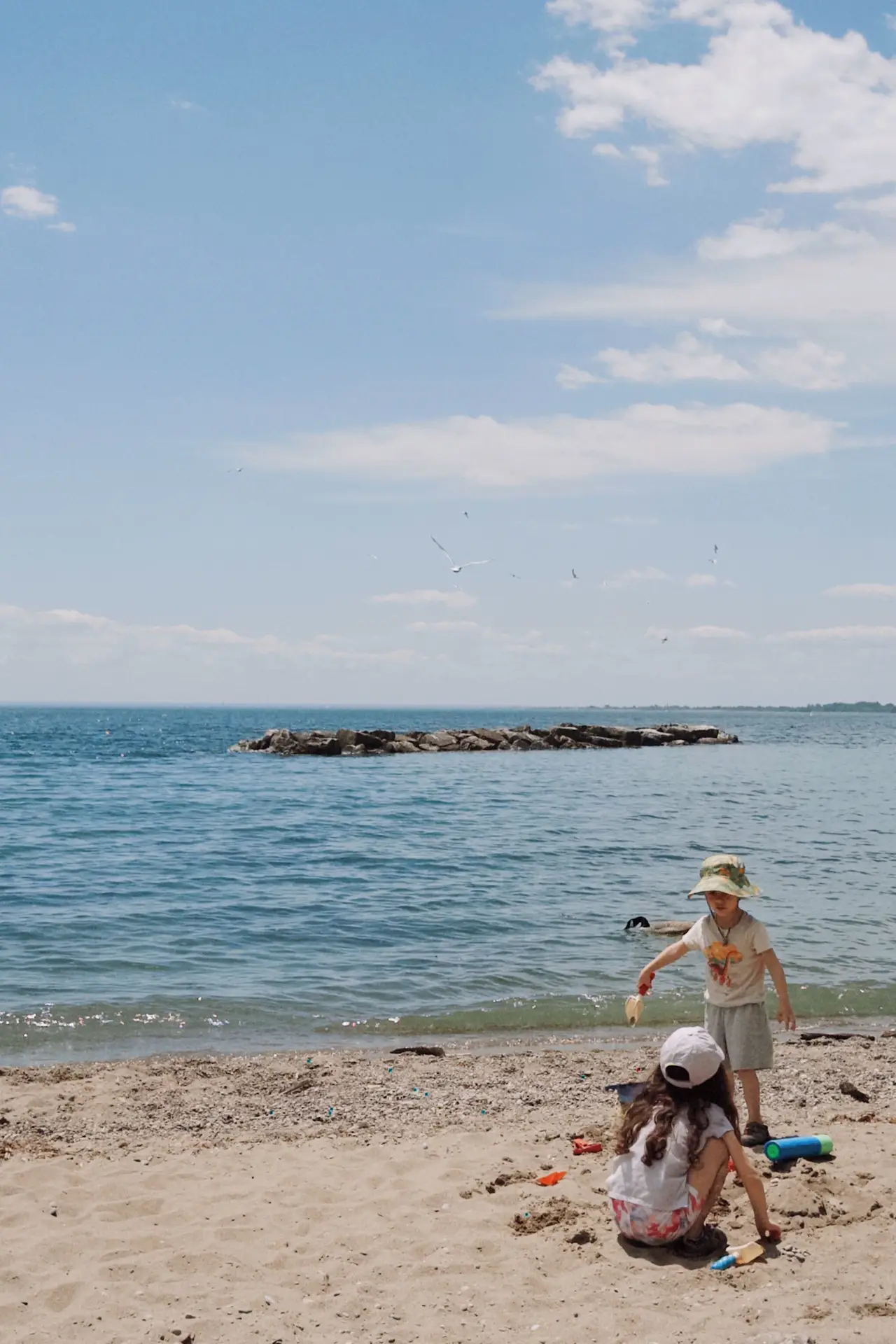
Toronto isn’t usually the first city that comes to mind when you think about beach destinations, which makes it all the more surprising when you actually visit the waterfront on a July afternoon. The city has 14 supervised beaches along Lake Ontario, most of them sandy, most of them easily reached by transit, and several of them genuinely excellent — not “pretty good for a major city” excellent, but actually excellent.
Here’s where to go, what to expect at each, and the practical information you need to actually have a good beach day.
Woodbine Beach: The Main Event
Woodbine Beach, in the east end of the city near the Beach neighbourhood, is Toronto’s best and most popular beach — a long, wide sandy arc with clear water, a beach volleyball complex, a playground, kayak and paddleboard rentals, and the kind of sustained summer energy that makes it the city’s de facto beachside destination.
The Donald D. Summerville Olympic Pool sits adjacent to the beach — a large outdoor pool that’s one of the best swimming facilities in the city and provides an alternative to the lake when E. coli counts are elevated (more on that below).
Food options near Woodbine include the summer beachside kiosks and the broader restaurant scene along Queen Street East and Kingston Road, a short walk north of the water.
Getting there: Streetcar 501 (Queen) or 503 to Coxwell, then walk south. Free parking on nearby streets in the early morning; metered or lot parking fills up by 11am on summer weekends.
Kew-Balmy Beach: Neighbourhood Feel
Slightly east of Woodbine, Kew-Balmy Beach has a quieter, more neighbourhood-rooted feel — the beach connects directly to the residential streets of the Beach neighbourhood, and the crowd reflects that. Families and locals outnumber tourists here, and the pace is noticeably more relaxed than Woodbine.
Kew Gardens Park backs the beach and has a bandshell, mature trees, and the kind of shaded lawn that’s perfect for picnicking after a swim. The Balmy Beach Club, one of Toronto’s oldest private rowing clubs, sits at the eastern end — the boats on the lake add to the scene.
The strip of restaurants and cafés along Queen Street East, just a few minutes’ walk north, is one of the better neighbourhood dining streets in the east end.
Sugar Beach: Urban Beach Done Well
Sugar Beach in the downtown waterfront district (near the Redpath Sugar refinery, which explains the name) is a different kind of beach — an urban landscaped waterfront with pink Muskoka chairs, white umbrellas, and a small sandy area fronting Lake Ontario between the condos of the East Bayfront neighbourhood.
It’s not the place to come for a full beach day, but it’s a lovely spot for an hour in the afternoon — one of the most photographed casual waterfront areas in the city, and a useful reminder that Toronto’s downtown waterfront has genuinely come a long way in the last decade.
Cherry Beach: The Locals’ Option
Cherry Beach, tucked behind the Port Lands industrial area southeast of downtown, has a dedicated following among Toronto locals who want a beach with less of a scene. The water can be warmer here (the lake bottom is shallower in this sheltered area), and the crowd is characteristically east-end and off the tourist radar.
Cherry Beach also has one of Toronto’s best windsurfing and kitesurfing conditions — if you’re into either sport, this is where the city’s sailing community congregates.
Hanlan’s Point: The Island Escape
To reach Hanlan’s Point, you take the Toronto Islands Ferry from Jack Layton Ferry Terminal at the foot of Bay Street — a 13-minute ride, running about every 15–30 minutes through the summer. The ticket is around $9 CAD return.
Hanlan’s Point Beach is the quietest and most scenic of Toronto’s beaches, at the western tip of the Toronto Islands. It’s also home to a clothing-optional section at the far northern end — the only legal clothing-optional beach on city-managed land in Toronto.
The island setting, with views back toward the downtown skyline, makes Hanlan’s Point one of the most photographed beach views in the city. Budget a full half-day minimum — the ferry schedule means you’ll want more than an hour once you arrive.
The Water Quality Question
Lake Ontario water quality has improved dramatically over the last 30 years, but E. coli counts after heavy rainfall regularly push beaches to “not recommended for swimming” status. Toronto Public Health posts daily beach advisories at toronto.ca/beaches — always check before going, especially in the 48 hours following significant rain.
The most reliable swimming is during dry stretches in July and August. Woodbine’s proximity to the adjacent pool makes it the safest bet when you’re not certain about the water.
Best Beaches for Different Purposes
Best all-day beach day: Woodbine Beach — facilities, food nearby, volleyball, rentals all in one place
Best for families with young children: Kew-Balmy Beach — quieter, neighbourhood feel, Kew Gardens park directly behind
Best for sunset photos: Hanlan’s Point or Sugar Beach — skyline views across the water at golden hour
Best for water sports: Cherry Beach — consistent wind conditions for sailing and kitesurfing
Best if you want to avoid crowds: Hanlan’s Point on a weekday — the ferry ride deters casual visitors
Practical Tips
Arrive before 11am on summer weekends if you want a good spot without fighting for parking or beach space. Bring cash for the parking meters near Woodbine. Sunscreen, water, and a bag for garbage — the beaches are clean largely because visitors take care of them. Dogs are allowed at some beaches (Hanlan’s and Cherry Beach have designated dog areas) but not at the main supervised swimming areas.
Read more Toronto guides: [Free Things to Do in Toronto →] · [Toronto Neighbourhoods Guide →] · [Day Trips from Toronto →]