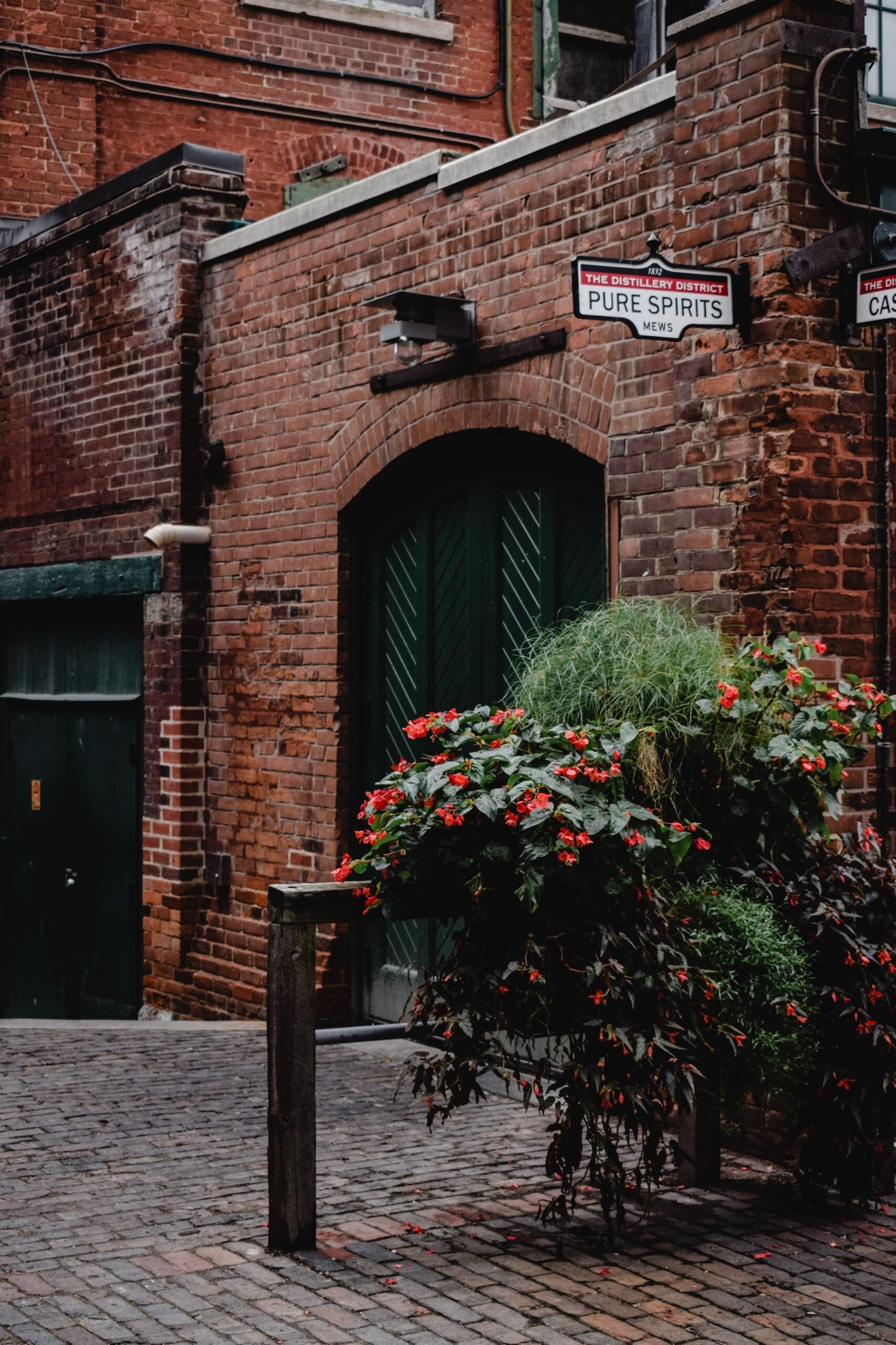
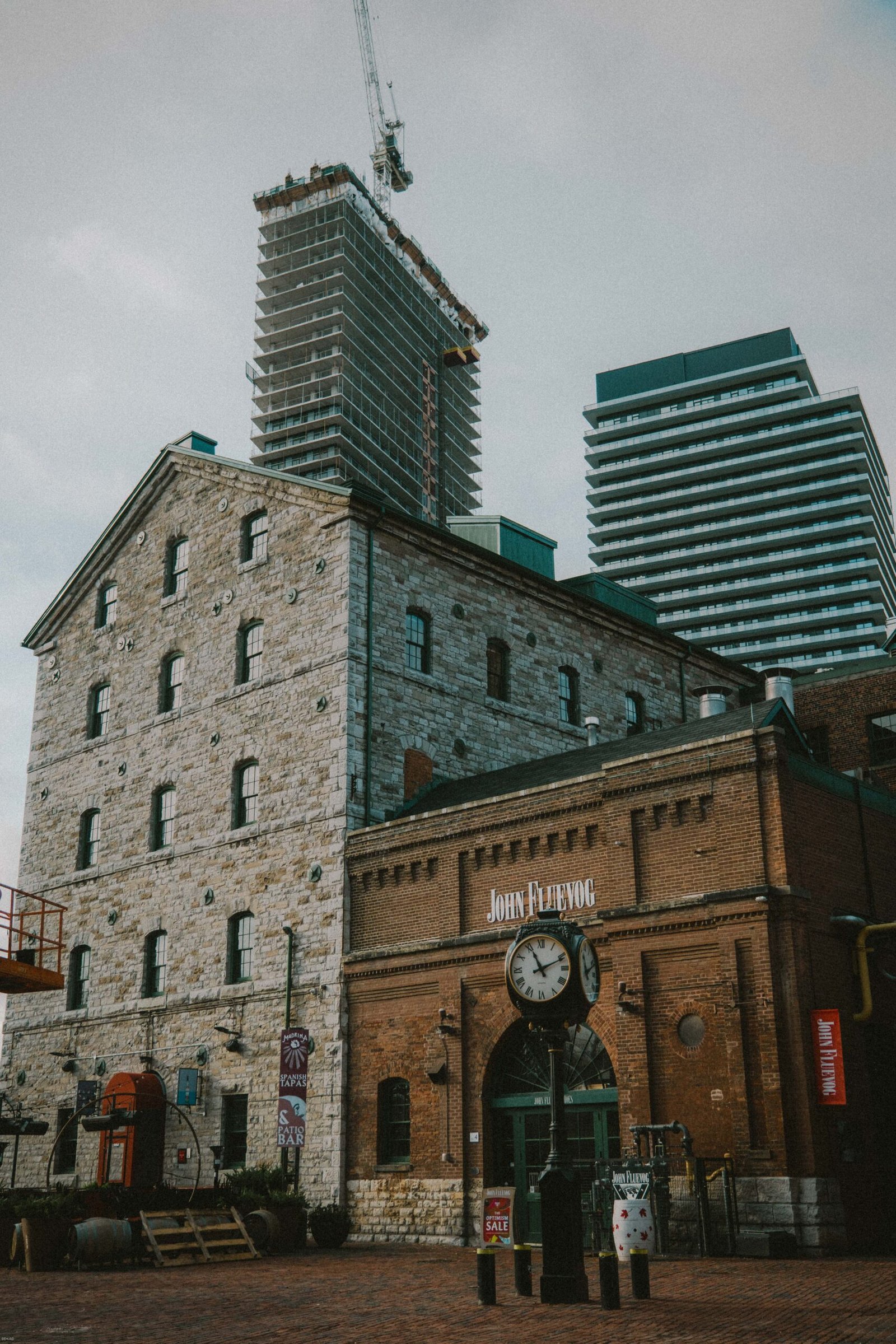
The Distillery Historic District is one of Toronto’s most iconic destinations and one of Canada’s best-preserved collections of Victorian industrial architecture. Located just east of downtown Toronto, this vibrant pedestrian-only neighbourhood combines history, culture, shopping, dining, art galleries, theatres, seasonal festivals, and public art into one unforgettable experience.
Originally established in the 1830s as the Gooderham and Worts Distillery, the site grew into the largest distillery in the British Empire. Today, its beautifully restored red-brick buildings and cobblestone streets have been transformed into a thriving entertainment and cultural district that attracts millions of visitors every year.
Whether you’re looking for boutique shopping, unique restaurants, art galleries, photography spots, holiday markets, or simply a relaxing afternoon stroll, the Distillery Historic District is one of the best places to visit in Toronto.
Why Visit the Distillery Historic District?
Unlike a traditional shopping centre, the Distillery District offers an immersive experience where history meets modern culture. Visitors can explore heritage buildings while discovering local artisans, independent retailers, gourmet restaurants, craft beverages, and year-round events.
Top reasons to visit include:
- Historic Victorian architecture
- Pedestrian-only streets
- Boutique shopping
- Local art galleries
- Public art installations
- Award-winning restaurants
- Outdoor patios
- Seasonal festivals
- Toronto Christmas Market (Distillery Winter Village)
- Excellent photography opportunities
It is one of Toronto’s most walkable neighbourhoods and appeals to couples, families, photographers, food lovers, and history enthusiasts.
History of the Distillery Historic District
The Gooderham and Worts Distillery was founded in 1832 and quickly became one of the world’s largest whisky producers.
By the late 19th century, the distillery exported spirits internationally and employed hundreds of workers. Its Victorian industrial buildings, constructed primarily from brick and limestone, remain remarkably well preserved.
After industrial operations ceased, the site underwent extensive restoration and reopened as the Distillery Historic District in 2003. Today it is recognized as a National Historic Site and one of North America’s finest examples of preserved industrial heritage.
Walking through the district offers visitors a glimpse into Toronto’s early economic development while showcasing how historic buildings can be successfully revitalized.
Things to Do in the Distillery Historic District
Explore the Historic Streets
The cobblestone streets are one of the district’s defining features.
As you wander through the neighbourhood, you’ll discover:
- Victorian-era warehouses
- Heritage brick buildings
- Decorative courtyards
- Public squares
- Historic plaques
- Beautiful lighting displays
Because no regular vehicle traffic is allowed inside the district, walking is enjoyable and safe.
Visit Boutique Shops
The Distillery Historic District is home to dozens of independent retailers offering products you won’t typically find in large shopping malls.
Popular shopping categories include:
- Canadian-made gifts
- Handmade jewellery
- Home décor
- Artisan crafts
- Fashion boutiques
- Gourmet foods
- Chocolates
- Specialty teas
- Local artwork
- Souvenirs
Many businesses showcase products made by Ontario artists and entrepreneurs.
Discover Local Art Galleries
Art plays a major role throughout the district.
Visitors can browse galleries featuring:
- Contemporary Canadian art
- Photography
- Sculpture
- Indigenous artwork
- Glass art
- Mixed media
- Paintings
Outdoor sculptures and rotating public art installations add to the district’s creative atmosphere.
Enjoy the Restaurants
The Distillery Historic District has become one of Toronto’s premier dining destinations.
Visitors can enjoy:
- Italian cuisine
- French bistros
- Canadian restaurants
- Mexican food
- Mediterranean dishes
- Cafés
- Bakeries
- Dessert shops
- Cocktail bars
- Craft beer venues
Outdoor patios are especially popular during spring and summer.
Reservations are recommended during weekends and holidays.
Learn About Toronto’s Distilling History
Interpretive displays and historic markers throughout the district explain:
- Whisky production
- Industrial architecture
- Gooderham family history
- Toronto’s early economy
- Historic restoration efforts
History enthusiasts can spend hours exploring these fascinating details.
Distillery Historic District Events
The district hosts events throughout the year.
Popular annual events include:
Distillery Winter Village
Formerly known as the Toronto Christmas Market, this internationally recognized holiday event transforms the district into a festive destination featuring:
- Christmas lights
- Giant Christmas tree
- Holiday shopping
- Seasonal food
- Live entertainment
- Carol singers
- Artisan vendors
Timed-entry tickets may be required during peak periods.
Summer Events
Warm weather brings:
- Outdoor concerts
- Patio dining
- Artisan markets
- Live performances
- Cultural celebrations
- Public art exhibitions
Seasonal Festivals
Throughout the year visitors may also enjoy:
- Food festivals
- Craft fairs
- Art exhibitions
- Theatre performances
- Photography events
Programming changes annually.
Photography in the Distillery District
The district is considered one of Toronto’s most Instagram-worthy locations.
Popular photo spots include:
- Cobblestone streets
- Victorian buildings
- Historic archways
- Outdoor sculptures
- Seasonal flower displays
- Public art
- Decorative lighting
- Winter Village decorations
Morning visits provide softer lighting and fewer crowds.
Evening photography is especially popular because of the illuminated buildings and patios.
Shopping at the Distillery Historic District
Shopping focuses primarily on locally owned businesses rather than international chain retailers.
Visitors can purchase:
- Handmade gifts
- Canadian souvenirs
- Designer clothing
- Artisan foods
- Jewellery
- Home décor
- Pottery
- Local artwork
- Gourmet chocolate
- Specialty coffee
Supporting independent businesses is one of the district’s defining features.
Family-Friendly Experience
Although often known for restaurants and shopping, the Distillery Historic District is also family-friendly.
Children enjoy:
- Open pedestrian streets
- Public art
- Seasonal decorations
- Outdoor entertainment
- Holiday events
- Ice cream shops
- Live performers
Families visiting during the Winter Village will find additional festive activities for children.
Accessibility
The district is accessible for many visitors.
Facilities include:
- Accessible entrances at many businesses
- Accessible washrooms
- Wide pedestrian walkways
- Seating areas
Because of the historic cobblestone streets, some surfaces may be uneven for wheelchairs or strollers.
Parking
Several paid parking garages and lots are located near the district.
Public transportation is also convenient.
Visitors can reach the area using:
- TTC streetcars
- Bus routes
- Cycling
- Walking from downtown
- Taxi or rideshare
Best Time to Visit
Spring
Flower displays and comfortable walking weather make spring an excellent time to visit.
Summer
Patios, outdoor events, and live entertainment create a lively atmosphere.
Fall
Autumn offers colourful decorations and smaller crowds.
Winter
The Distillery Winter Village transforms the district into one of Canada’s most magical holiday destinations.
Nearby Attractions
Visitors often combine the Distillery Historic District with:
- St. Lawrence Market
- Corktown Common
- Gooderham Building (Flatiron Building)
- Harbourfront Centre
- Sugar Beach
- Toronto Waterfront
- CN Tower
- Ripley’s Aquarium of Canada
Visitor Tips
- Visit early in the morning for quieter streets.
- Wear comfortable walking shoes.
- Make restaurant reservations in advance.
- Allow at least 2–4 hours to explore.
- Bring a camera.
- Visit during weekdays for fewer crowds.
- Check seasonal event schedules before visiting.
- Explore nearby St. Lawrence Market afterward.
Maps
FAQ's
Is the Distillery Historic District free to visit?
Yes. Admission to the district is generally free, although some seasonal events, exhibitions, and attractions may require tickets.
Why is the Distillery Historic District famous?
It is famous for its preserved Victorian industrial architecture, boutique shopping, restaurants, art galleries, and the annual Distillery Winter Village.
How long should I spend at the Distillery Historic District?
Most visitors spend 2 to 4 hours exploring the shops, restaurants, galleries, and historic streets.
Is the Distillery Historic District worth visiting?
Absolutely. It is one of Toronto's most unique neighbourhoods and offers history, culture, shopping, dining, and photography all in one destination.
What are the best restaurants in the Distillery District?
The district features a wide variety of restaurants offering Canadian, Italian, French, Mediterranean, Mexican, and international cuisine, along with cafés, bakeries, and dessert shops.
Can I take photos?
Yes. Photography is encouraged, and the district is one of Toronto's most photographed locations thanks to its architecture, public art, and seasonal decorations.
Why You Should Visit the Distillery Historic District
The Distillery Historic District combines Toronto's industrial heritage with modern culture, making it one of the city's most memorable attractions. From browsing independent boutiques and art galleries to enjoying exceptional restaurants and seasonal festivals, every visit offers something different. Whether you're exploring the historic cobblestone streets, shopping for locally made products, photographing Victorian architecture, or experiencing the festive atmosphere of the Distillery Winter Village, this remarkable neighbourhood deserves a place on every Toronto itinerary.