Quick Facts
| Information | Details |
|---|---|
| 📍 Address | 2000 Meadowvale Road, Toronto, ON M1B 5K7 |
| ⭐ Best For | Families, Wildlife Lovers, Photography, Education |
| ⏱️ Time Needed | 4–7 hours (Full day recommended) |
| 💰 Admission | Paid (Children, adults, seniors, and memberships available) |
| 🚗 Parking | Paid on-site parking |
| 🚇 Public Transit | TTC Bus from Kennedy Station or Rouge Hill GO |
| ♿ Accessibility | Fully accessible with rentals available |
| 👨👩👧 Family Friendly | Excellent |
| 🐶 Pets Allowed | No (Service animals only) |
| 📅 Best Time to Visit | Spring, Summer & Early Fall |
The Toronto Zoo is the largest zoo in Canada and one of the country’s premier wildlife attractions. Covering nearly 710 acres (287 hectares), the zoo is home to more than 3,000 animals representing over 300 species from around the world.
Located in the Rouge Valley in northeast Toronto, the zoo allows visitors to experience animals from Africa, Asia, the Americas, Australasia, Indo-Malaya, the Canadian wilderness, and tropical rainforests—all in one destination.
Whether you want to see giant pandas (during special exhibits), polar bears, giraffes, gorillas, tigers, rhinos, lions, orangutans, penguins, or reptiles, the Toronto Zoo provides one of the most comprehensive wildlife experiences in North America.
For families visiting Toronto, it consistently ranks among the best things to do in Toronto with kids.
Why Visit the Toronto Zoo?
The Toronto Zoo combines wildlife conservation, education, family entertainment, and world-class animal habitats.
Visitors come to:
- See more than 300 animal species
- Learn about wildlife conservation
- Visit immersive animal habitats
- Ride the Zoomobile (seasonal)
- Explore children’s discovery areas
- Watch animal feedings
- Enjoy educational presentations
- Experience one of Canada’s largest zoos
Unlike smaller urban zoos, Toronto Zoo is designed around geographic regions, allowing visitors to experience animals in environments inspired by their natural habitats.
History of the Toronto Zoo
The Toronto Zoo officially opened in 1974, replacing the older Riverdale Zoo.
From its beginning, the zoo focused on creating large, naturalistic habitats rather than traditional cages.
Today, the Toronto Zoo participates in international conservation programs, endangered species breeding initiatives, wildlife research, and educational outreach.
Its mission extends beyond entertainment, helping protect biodiversity while educating visitors about environmental stewardship.
Wildlife Regions to Explore
African Savanna
One of the zoo’s most popular areas features iconic African wildlife.
Animals include:
- Giraffes
- Lions
- Zebras
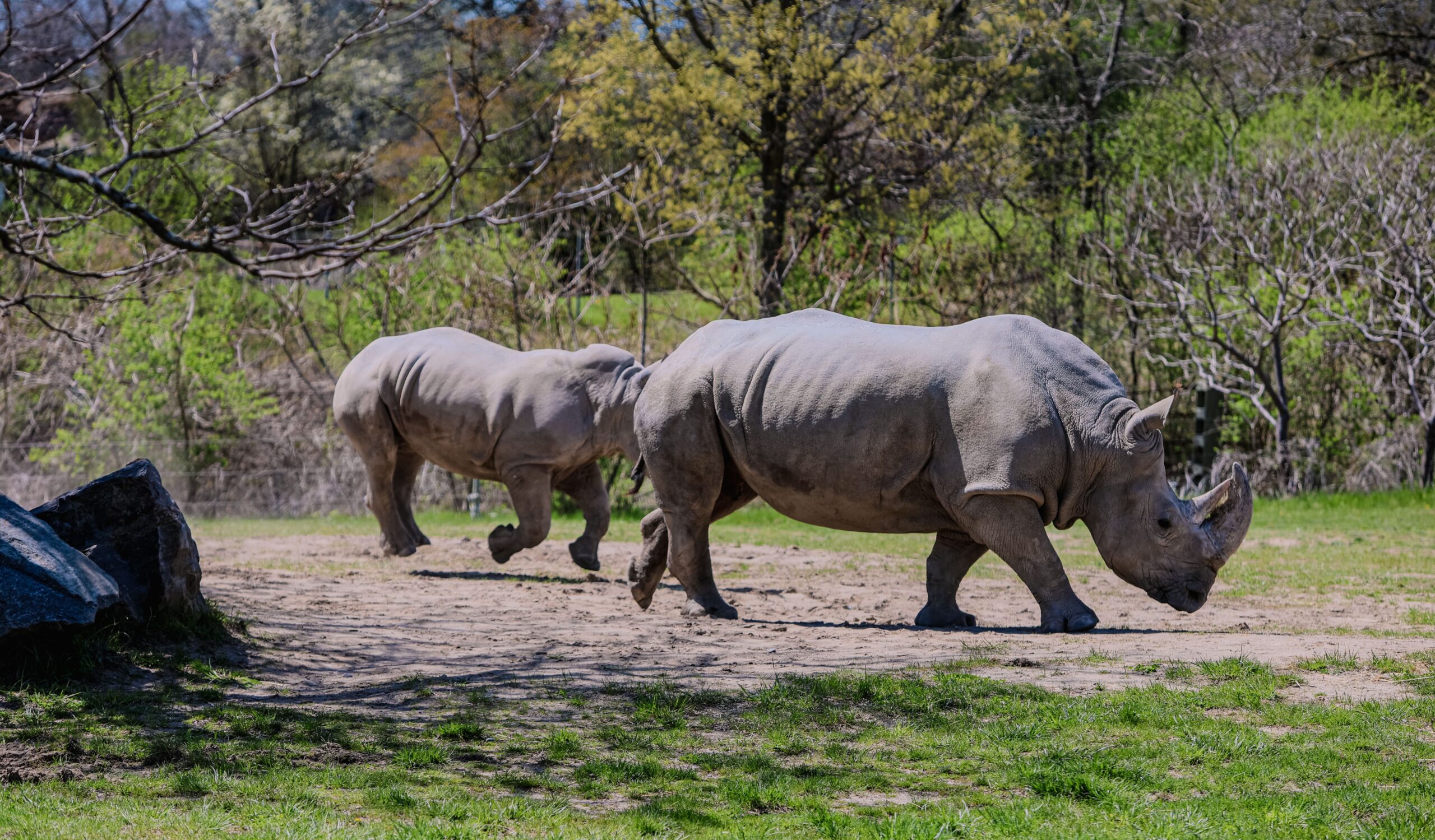
- Rhinos
- Ostriches
- Gazelles
- Hippopotamuses
The open habitats closely resemble natural African landscapes.
Tundra Trek
Tundra Trek showcases animals adapted to northern climates.
Visitors may see:
- Polar bears
- Arctic wolves
- Reindeer
- Snowy owls
Polar bears remain one of the zoo’s biggest attractions.
Indo-Malaya
This region features tropical forests and endangered Asian wildlife.
Highlights include:
- Sumatran orangutans
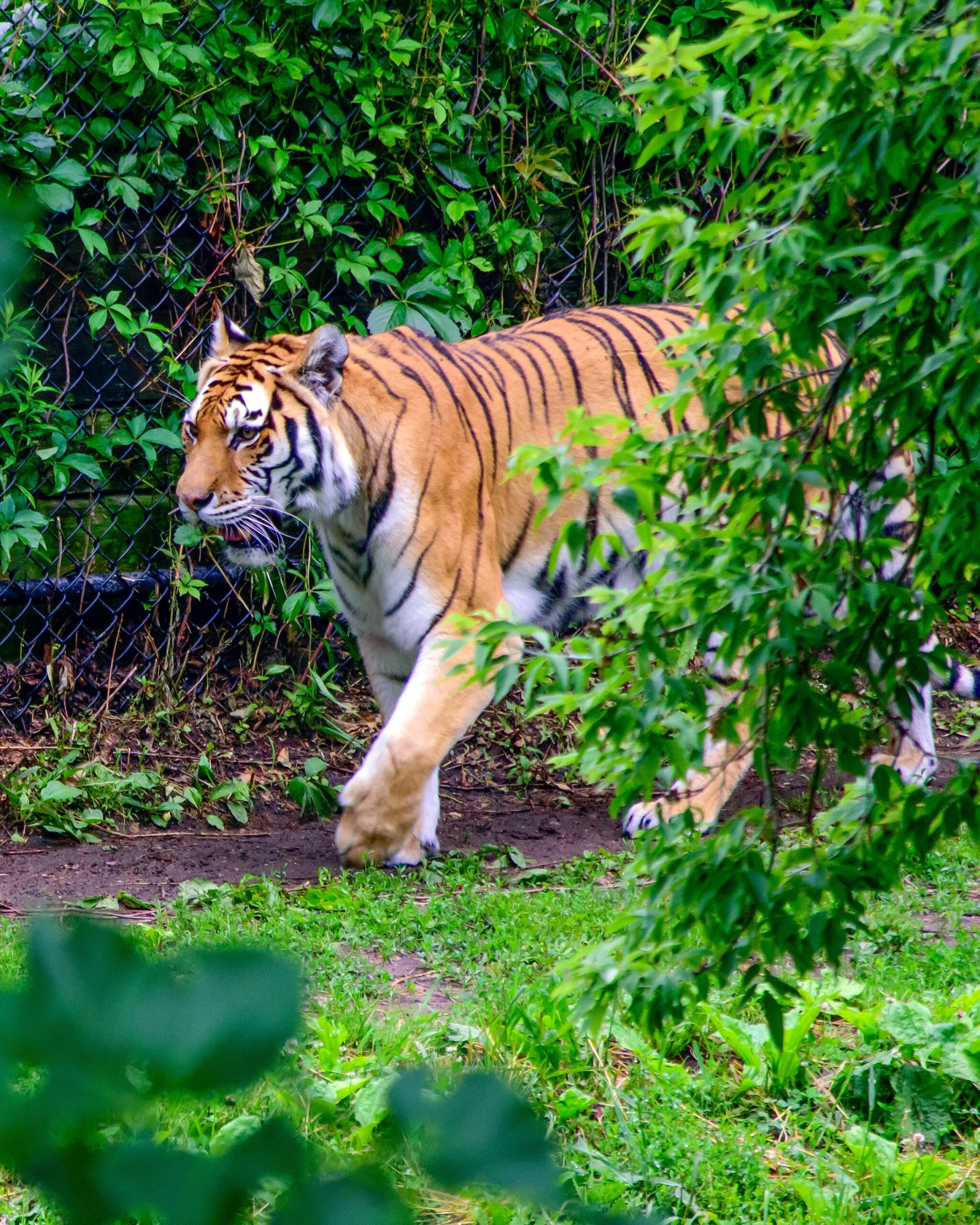
- Tigers
- Komodo dragons
- Tapirs
- Exotic birds
Canadian Domain
Experience native Canadian wildlife including:
- Moose
- Bison
- Cougars
- Bald eagles
- Beavers
- Black bears
This section helps visitors understand Canada’s diverse ecosystems.
Americas Pavilion
Animals from North and South America include:
- Jaguars
- Sloths
- Monkeys
- Flamingos
- Macaws
Indoor tropical exhibits provide year-round viewing.
Australasia Pavilion
Explore Australian and Oceanian wildlife including:
- Kangaroos
- Wallabies
- Reptiles
- Colourful birds
Family Experiences
Families can enjoy much more than animal viewing.
Popular attractions include:
- Splash Island (summer)
- Discovery Zone
- Wildlife Health Centre viewing gallery
- Carousel
- Zoomobile (seasonal)
- Children’s playgrounds
- Educational programs
Children often spend an entire day exploring the zoo.
Conservation and Education
The Toronto Zoo is internationally recognized for conservation efforts.
Programs focus on:
- Endangered species breeding
- Habitat restoration
- Wildlife rehabilitation
- Climate change education
- Plastic reduction awareness
- Native species protection
Interpretive signs throughout the zoo explain how visitors can support conservation efforts at home.
Tickets
Visitors can purchase:
- General admission
- Family passes
- Annual memberships
- Group tickets
- School programs
Online booking is recommended during weekends, holidays, and summer vacations.
Opening Hours
The zoo is generally open every day except Christmas Day, although seasonal hours vary.
Visitors should confirm current hours before travelling.
Accessibility
The Toronto Zoo offers:
- Wheelchair rentals
- Electric scooter rentals
- Accessible washrooms
- Accessible pathways
- Family washrooms
- Accessible parking
The Zoomobile also provides accessible seating.
Parking
Large paid parking lots are located directly beside the main entrance.
Electric vehicle charging stations are available in selected areas.
Best Time to Visit
Spring
Comfortable weather and active animals make spring one of the best seasons.
Summer
Peak visitor season with the largest number of programs and activities.
Fall
Smaller crowds and cooler temperatures create an enjoyable experience.
Winter
Selected indoor exhibits remain open, and some cold-climate animals are particularly active.
Nearby Attractions
Visitors can combine the zoo with:
- Rouge National Urban Park
- Toronto Pan Am Sports Centre
- Guild Park & Gardens
- Rouge Beach
- Scarborough Bluffs
Visitor Tips
- Arrive when the zoo opens.
- Wear comfortable walking shoes.
- Download the zoo map before visiting.
- Allow at least 5 hours.
- Bring sunscreen and water during summer.
- Attend scheduled animal talks.
- Ride the Zoomobile to reduce walking.
- Visit indoor pavilions during hot afternoons.
Maps
FAQ's
Why You Should Visit Toronto Zoo
The Toronto Zoo is much more than a place to see animals. It is one of Canada's leading conservation organizations, offering immersive wildlife experiences, educational programs, and memorable family adventures. Whether you're watching polar bears swim, feeding your curiosity about endangered species, or exploring habitats from around the world, every visit offers opportunities to learn and connect with nature.
How long does it take to visit Toronto Zoo?
Most visitors spend 4 to 7 hours, while wildlife enthusiasts may spend an entire day.
What animals can you see?
Popular animals include polar bears, giraffes, lions, gorillas, orangutans, tigers, rhinos, penguins, zebras, and many more.
Is parking available?
Yes. Large paid parking lots are available on-site.
Can I bring food?
Yes. Visitors may bring their own food and enjoy designated picnic areas.
Is the zoo accessible?
Yes. The zoo offers accessible pathways, mobility rentals, and accessible facilities throughout the property.
Does the zoo operate in winter?
Yes. Many exhibits remain open year-round, although some seasonal attractions may close.
Are pets allowed?
No. Pets are not permitted, except for certified service animals.