Quick Facts
| Information | Details |
|---|---|
| 📍 Address | 201 Winchester Street, Toronto, ON M4X 1B8 |
| ⭐ Best For | Families, Kids, Animal Lovers, Free Attractions |
| ⏱️ Time Needed | 1.5–3 hours |
| 💰 Admission | Free |
| 🚗 Parking | Limited street parking and nearby paid parking |
| 🚇 Nearest Transit | Castle Frank Station & Parliament Street buses |
| ♿ Accessibility | Mostly accessible |
| 👨👩👧 Family Friendly | Excellent |
| 🐶 Pets Allowed | No |
| 📅 Best Time to Visit | Spring through Fall |
Riverdale Farm: One of Toronto’s Best Free Family Attractions
Nestled in the historic Cabbagetown neighbourhood, Riverdale Farm is one of Toronto’s most charming hidden gems. Covering approximately 7.5 acres, this working heritage farm recreates rural Ontario life from the late 19th and early 20th centuries while offering visitors the chance to meet farm animals, explore scenic walking paths, and experience nature without leaving downtown Toronto.
Unlike a petting zoo or commercial attraction, Riverdale Farm operates as an educational working farm where animals live in natural surroundings. Visitors can stroll through barns, pastures, gardens, and wooded trails while learning about sustainable farming, livestock care, and Ontario’s agricultural history.
Best of all, admission is completely free, making Riverdale Farm one of the best free things to do in Toronto with kids.
Why Visit Riverdale Farm?
Riverdale Farm offers a peaceful escape from Toronto’s busy downtown while providing educational experiences for visitors of all ages.
Visitors come to:
- Meet farm animals
- Explore historic barns
- Walk scenic trails
- Visit vegetable gardens
- Learn about traditional farming
- Enjoy family picnics
- Watch seasonal farming activities
- Experience one of Toronto’s best free attractions
Because the farm is compact yet full of activities, it’s perfect for families with young children.
History of Riverdale Farm
Riverdale Farm officially opened in 1978, replacing the former Riverdale Zoo that once occupied the site.
The City of Toronto transformed the property into a working heritage farm to preserve Ontario’s rural farming traditions while educating urban residents about agriculture.
Today, Riverdale Farm continues to care for heritage livestock breeds, maintain historic farm buildings, and demonstrate sustainable farming practices that reflect life in rural Ontario during the early 1900s.
Meet the Farm Animals
One of the biggest attractions at Riverdale Farm is the opportunity to observe farm animals in spacious natural habitats.
Horses
The farm’s horses help demonstrate how working farms operated before modern machinery.
Visitors can often watch:
- Daily care routines
- Feeding
- Grooming
- Stable management
Children especially enjoy seeing these gentle animals up close.
Cows
Heritage cattle graze in open pastures throughout the farm.
Interpretive signs explain:
- Dairy farming
- Livestock care
- Traditional farming practices
- Sustainable agriculture
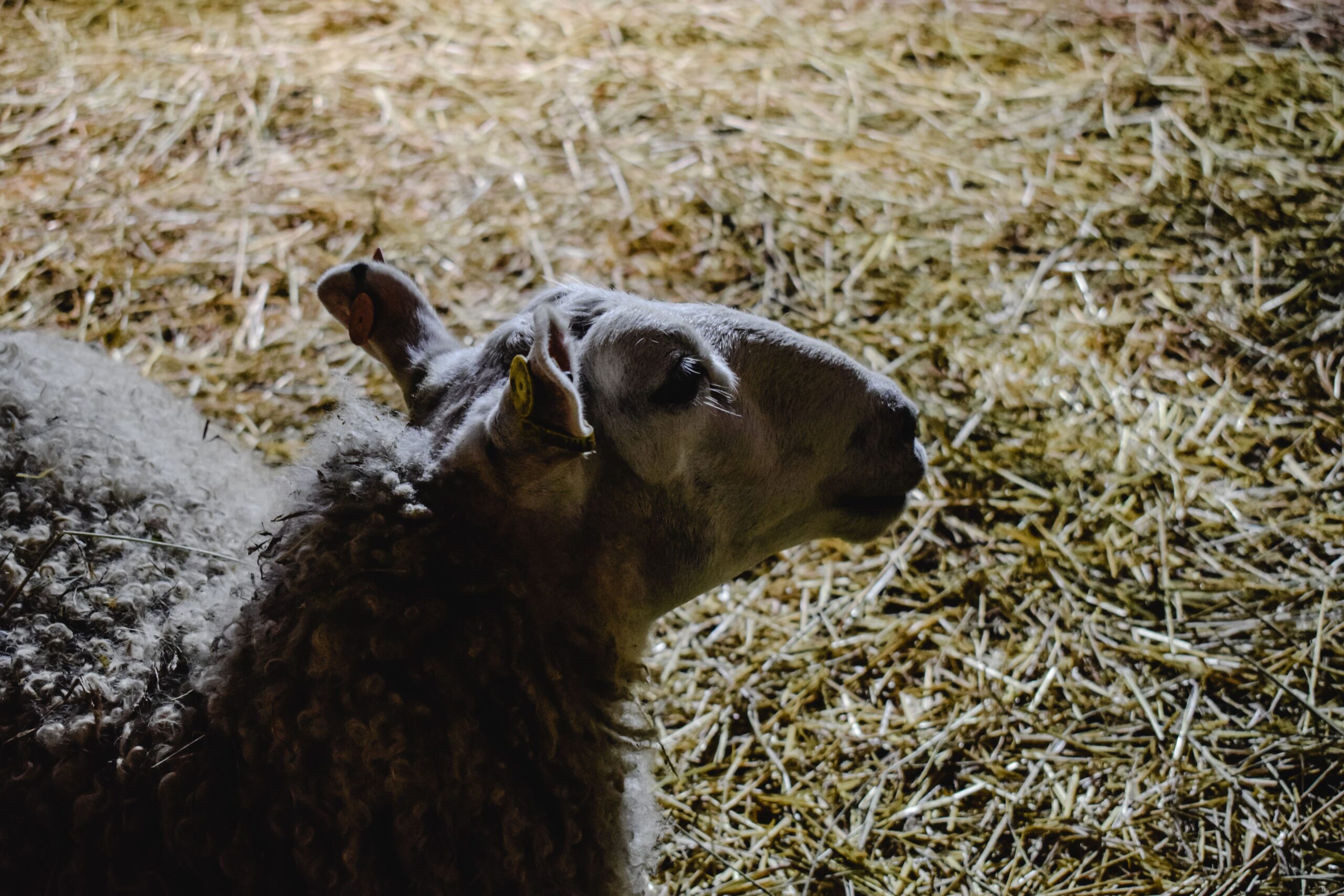
Sheep
Sheep are among the farm’s most popular residents.
During spring, visitors may see:
- Lambs
- Shearing demonstrations
- Grazing
- Feeding routines
Spring is one of the best times to visit because of newborn animals.
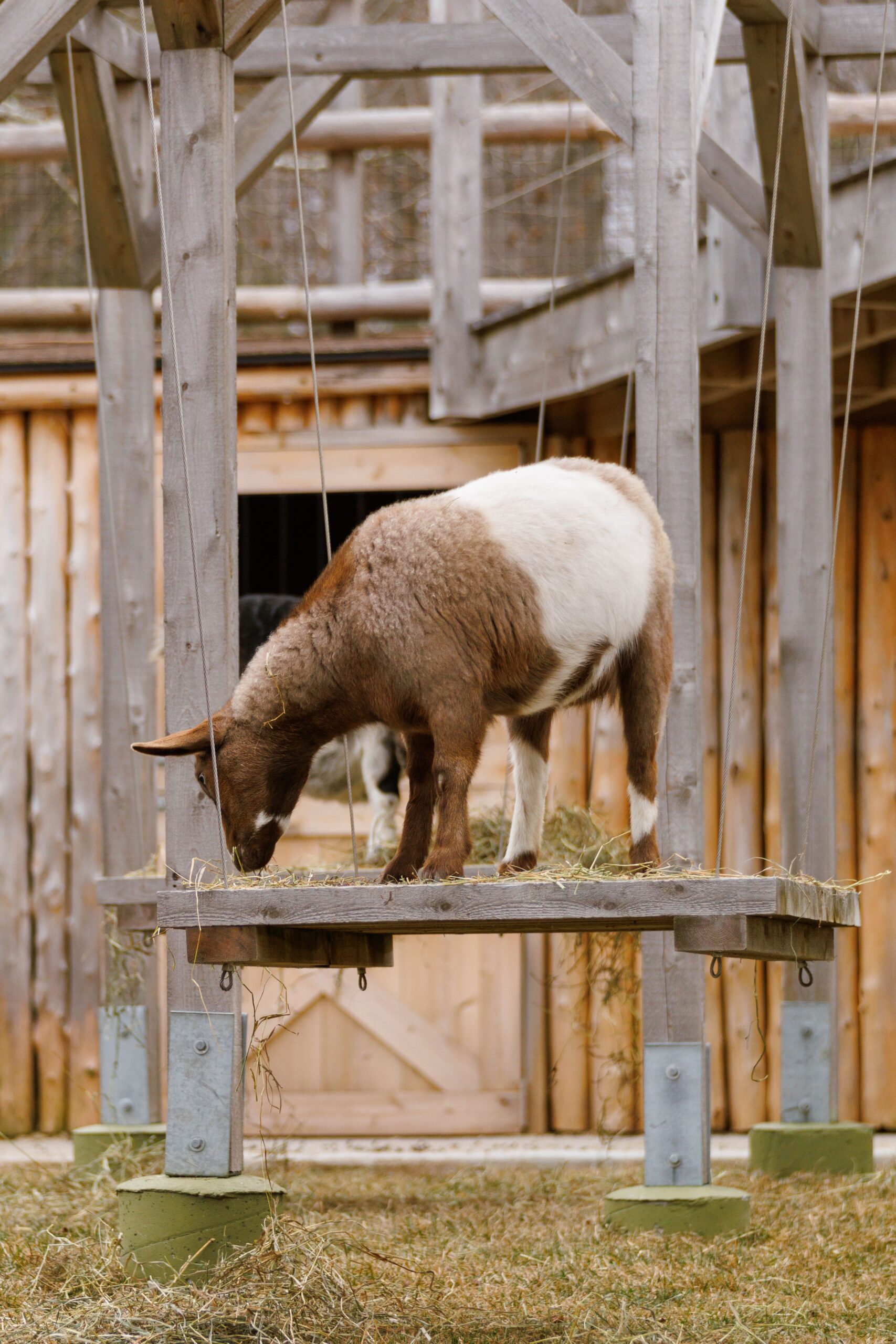
Goats
Friendly goats are always a favourite with children.
Visitors enjoy watching them:
- Climb
- Play
- Interact with each other
- Explore their enclosures
Chickens, Ducks and Turkeys
The poultry area introduces visitors to traditional farm birds.
Animals include:
- Chickens
- Ducks
- Geese
- Turkeys
Children enjoy collecting educational facts about different breeds.
Pigs
The pigs are often among the most entertaining animals on the farm.
Visitors frequently see them:
- Resting
- Exploring their habitat
- Eating
- Playing in the mud
Explore the Historic Farm Buildings
The farm features several restored heritage buildings including:
- Historic barns
- Animal shelters
- Farmhouses
- Equipment storage
- Educational displays
These buildings recreate life on an Ontario farm from more than 100 years ago.
Gardens and Walking Trails
Riverdale Farm isn’t just about animals.
Visitors can also enjoy:
- Vegetable gardens
- Flower gardens
- Orchard areas
- Woodland trails
- Scenic bridges
- Peaceful ponds
These natural spaces make the farm feel much larger than its downtown location suggests.
Educational Experiences
Riverdale Farm serves as an outdoor classroom.
Visitors learn about:
- Sustainable farming
- Animal welfare
- Crop production
- Pollinators
- Composting
- Local agriculture
- Ontario farming history
School groups frequently visit throughout the year.
Family-Friendly Activities
Children especially enjoy:
- Watching farm animals
- Exploring barns
- Walking woodland trails
- Looking for birds
- Seasonal gardening displays
- Nature observation
- Picnic areas
Because admission is free, Riverdale Farm is an excellent budget-friendly outing.
Best Time to Visit
Spring
The most popular season.
Visitors can see:
- Baby lambs
- Young goats
- Blooming flowers
- Active farm life
Summer
Perfect for:
- Picnics
- Garden walks
- Animal viewing
- Family outings
Fall
Harvest season brings colourful gardens and comfortable temperatures.
Winter
Although quieter, many animals remain outdoors and the snowy landscape creates a peaceful atmosphere.
Photography Guide
Riverdale Farm is one of Toronto’s best places for family and nature photography.
Popular photo locations include:
- Heritage barns
- Sheep pasture
- Horse paddocks
- Gardens
- Historic fences
- Woodland trails
- Stone bridges
- Seasonal flowers
Morning provides the softest lighting.
Accessibility
Most major pathways are accessible.
Visitors will find:
- Accessible entrances
- Accessible washrooms
- Paved pathways
- Family-friendly walking routes
Some natural trails include gentle slopes.
Parking
Parking options include:
- Limited street parking
- Green P parking nearby
- Paid parking garages in Cabbagetown
Public transportation is recommended during weekends.
Nearby Attractions
Riverdale Farm is close to several Toronto attractions.
Visitors often combine their visit with:
- Allan Gardens Conservatory
- Cabbagetown
- Evergreen Brick Works
- Toronto Necropolis
- Distillery Historic District
- St. Lawrence Market
Visitor Tips
- Visit in spring to see newborn animals.
- Wear comfortable walking shoes.
- Bring a camera.
- Pack a picnic.
- Respect the animals.
- Stay on designated pathways.
- Visit Allan Gardens afterward.
- Allow extra time if visiting with children.
Maps
Contact
FAQ's
Is Riverdale Farm free?
Yes. Admission is completely free.
Can you pet the animals?
Riverdale Farm is a working farm rather than a petting zoo. Visitors observe animals from designated viewing areas.
What animals are at Riverdale Farm?
Visitors can see horses, cows, sheep, goats, pigs, chickens, ducks, geese, rabbits, and more.
Is Riverdale Farm good for toddlers?
Yes. It is one of Toronto's best attractions for toddlers and young children.
Is parking available?
Yes. Street parking and paid parking are available nearby.
Why You Should Visit Riverdale Farm?
Riverdale Farm offers a rare opportunity to experience authentic farm life in the heart of Canada's largest city. With heritage barns, friendly farm animals, beautiful gardens, and peaceful walking trails, it provides a relaxing and educational outing for visitors of every age. Whether you're introducing children to farm animals for the first time, enjoying a quiet walk through nature, or looking for one of the best free attractions in Toronto, Riverdale Farm is a destination that deserves a place on your itinerary. Combined with nearby Allan Gardens Conservatory and Cabbagetown, it creates one of Toronto's most enjoyable family-friendly day trips.
Is Riverdale Farm open year-round?
Yes. Riverdale Farm welcomes visitors throughout the year